Sep 11, 2026
Makeup brushes may look like simple beauty tools, but their role can change greatly depending on who uses them. A beginner may want a brush that feels easy to understand and comfortable in daily use. A professional makeup artist may need a broader selection for different looks, textures, and working situations.
This difference is creating new questions for makeup brush manufacturers. Can one product range serve both groups? Can China Makeup Brushes offer enough variety without making the buying process confusing?The answer depends less on the label of the brush and more on how the products are designed.

China Makeup Brushes cover a wide range of styles, shapes, materials, and uses. Some are designed around simple daily routines. Others are developed for more detailed makeup work. This range gives manufacturers room to respond to different users.
The growing variety also changes the role of the manufacturer. A makeup brush is no longer viewed only as an accessory. Its shape, handle, bristles, appearance, packaging, and intended use can all influence how a person experiences makeup.
For beginners and professionals, those expectations are quite different.
Most beginners start with one question: which brush do I actually need? Face brushes, eye brushes, lip brushes, contour brushes, highlighter brushes—the sheer number of categories on a brush wall at Sephora is enough to send a first-time buyer straight back to their fingers.
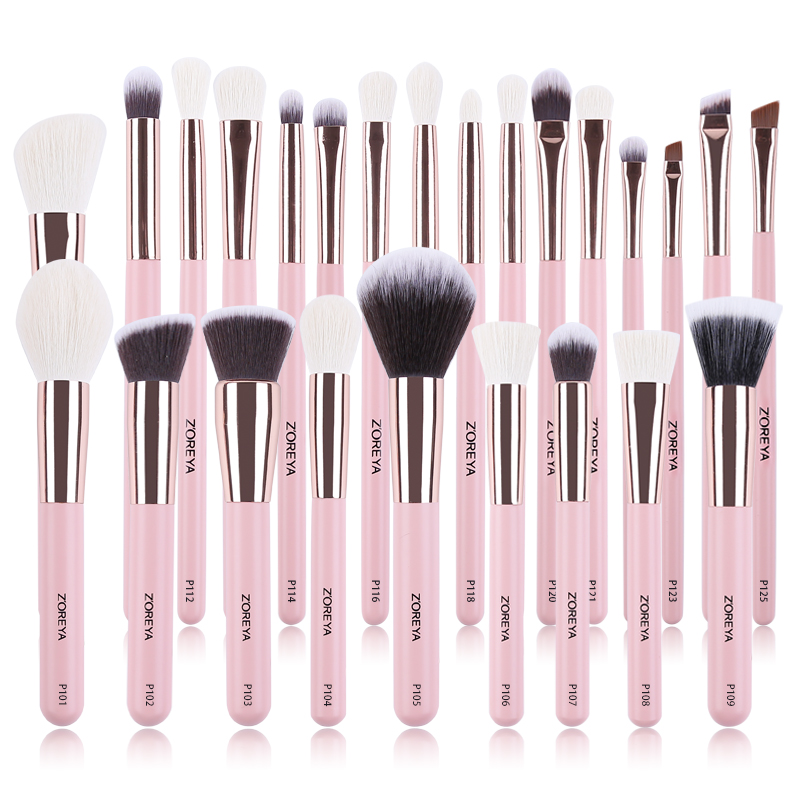
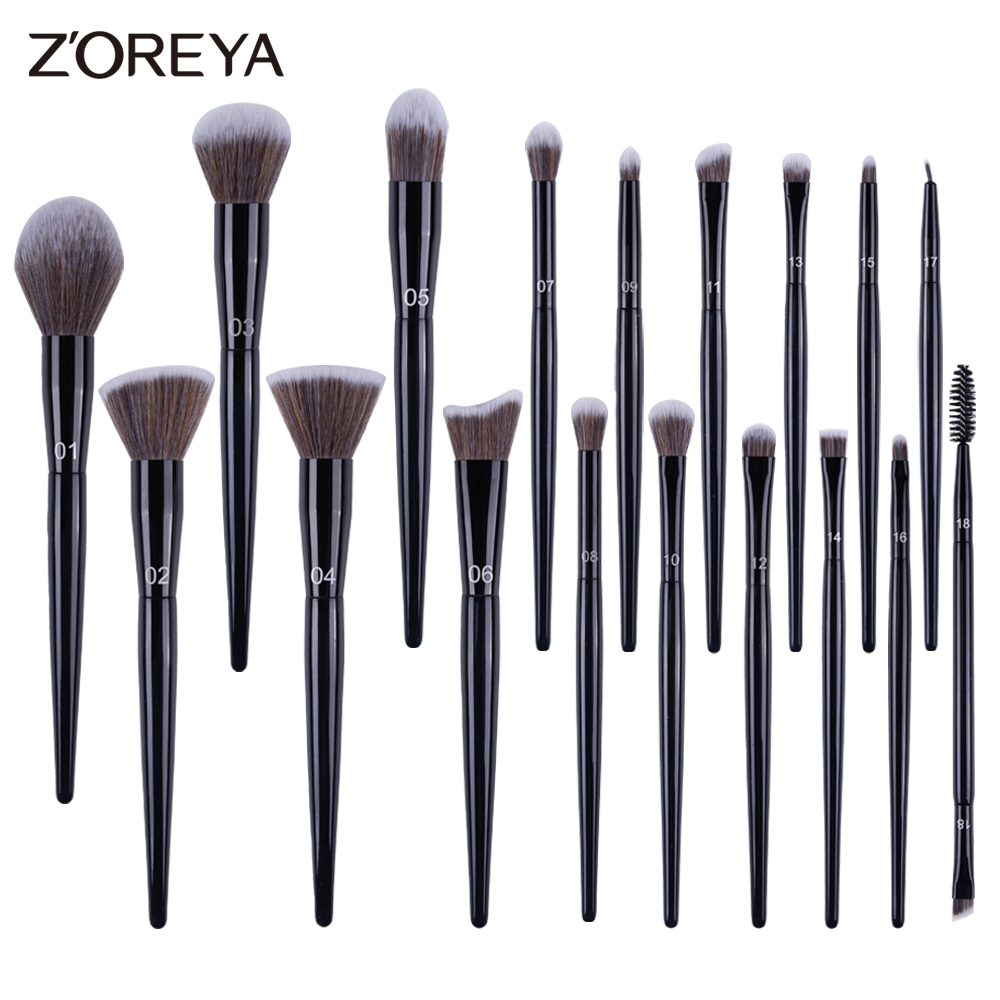
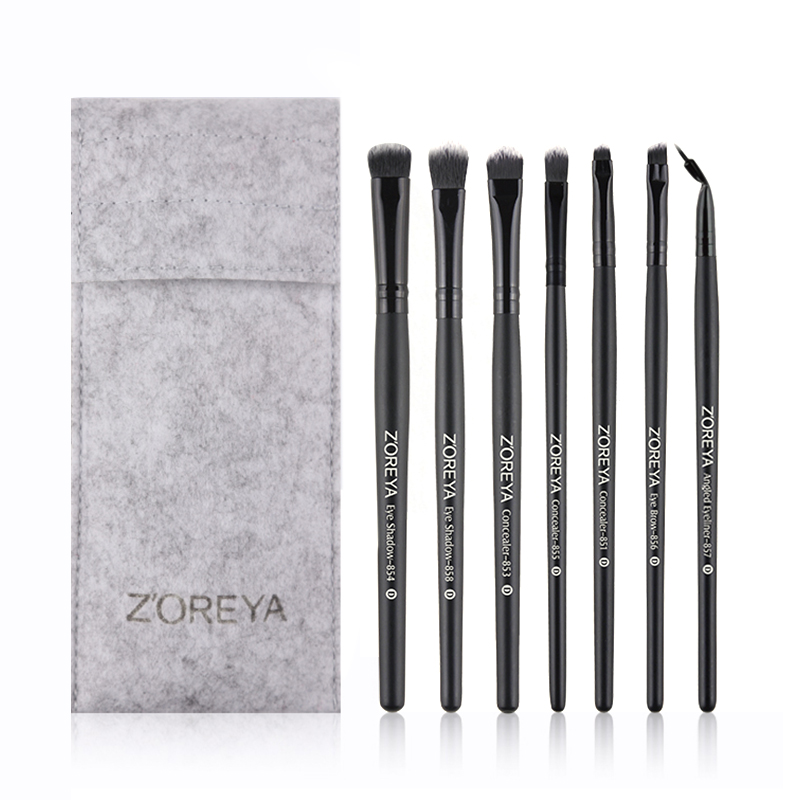
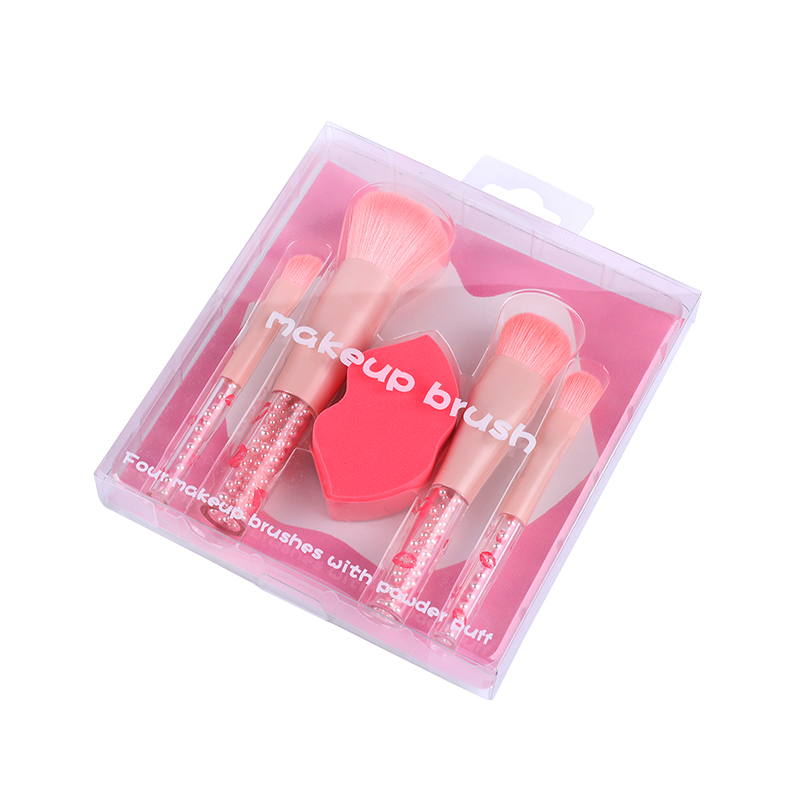
That confusion is exactly why manufacturers keep building smaller, clearly-labeled starter sets instead of dumping fifteen unlabeled brushes into a pouch. A five- or six-piece set—typically a foundation brush, a powder brush, a blending brush, a flat eyeshadow brush, and maybe an angled brow brush—covers most daily routines without requiring the buyer to understand ferrule shapes or bristle density.
A beginner-friendly brush doesn't have to look cheap to be simple. Plenty of entry-level sets now use rose gold ferrules, marbled handles, or pastel bristle tips specifically because Instagram-friendly packaging sells just as well to a first-time buyer as it does to anyone else. The trick is keeping the shape obviously functional—a rounded fluffy brush clearly reads as "blend this," while a flat dense brush reads as "pack this on."
Handle length matters more than most beginners realize before they try a few. A shorter handle, usually under 15cm, gives more control for someone still learning how much pressure to apply, while long, elegant handles that look striking on a vanity can actually be harder to maneuver precisely.
The bristle head does most of the real teaching. A tapered crease brush practically shows a new user where the product should sit, just from its shape alone. Good beginner design leans on that visual logic instead of expecting a customer to read an instruction card.
This is really a user-experience problem disguised as a manufacturing one. The person holding the brush for the first time needs the shape to make sense before they've built any muscle memory—and a lot of that confidence, frankly, comes from the brush not fighting them on day one.
Professional makeup artists often work with more varied requirements.
A professional may create everyday makeup for one client and a more expressive look for another. Different face shapes, makeup textures, skin conditions, and styling goals can all affect the choice of brush.
This creates demand for greater variety.
Professionals may want brushes with different shapes and sizes because each one can serve a particular purpose. A brush for broad application may not provide the same control as a smaller brush designed for detailed work.
The professional environment also changes expectations around durability and handling. A brush may be used repeatedly during a working day. It may also need to be cleaned and prepared between clients.
For this reason, professional users often look beyond appearance.
They may consider how the brush feels in the hand, how easily it can be cleaned, how well the bristles maintain their shape, and whether the collection provides enough choices for different makeup styles.
Makeup Brushes can address these needs through varied product lines rather than relying on one universal design.
This gives manufacturers the opportunity to separate beginner products from professional collections while maintaining a consistent overall product identity.
Some brushes can serve different types of users, but their usefulness depends on the application.
A simple face brush may be suitable for someone learning makeup and still have a place in a professional kit. A basic eyeshadow brush can also be useful to both groups.
The difference often comes from how the user applies the product.
A beginner may use one brush for a simple daily look. A professional may use the same type of brush as one step within a more detailed routine.
This suggests that the distinction between beginner and professional products does not always need to be absolute.
Instead, manufacturers can create products with different levels of specialization.
| User Group | Common Preference | Product Direction |
|---|---|---|
| Beginners | Simple and easy-to-understand tools | Clearly defined brush uses |
| Daily Makeup Users | Practical everyday selection | Versatile brush combinations |
| Makeup Enthusiasts | More variety and creative options | Broader brush collections |
| Professional Artists | Different tools for different applications | More specialized brush shapes |
| Beauty Studios | Consistent and reusable collections | Practical sets for repeated use |
A product can therefore have a broad audience when its design is straightforward and adaptable.
The challenge is making sure that the brush remains useful without becoming too specialized for beginners or too limited for professionals.
The design of a makeup brush affects more than appearance.
Consider the handle. Its length, shape, surface, and overall balance can influence how a user holds it. A beginner may appreciate a straightforward grip. A professional may already have a preferred way of holding a brush and look for a different feel.
The brush head also matters.
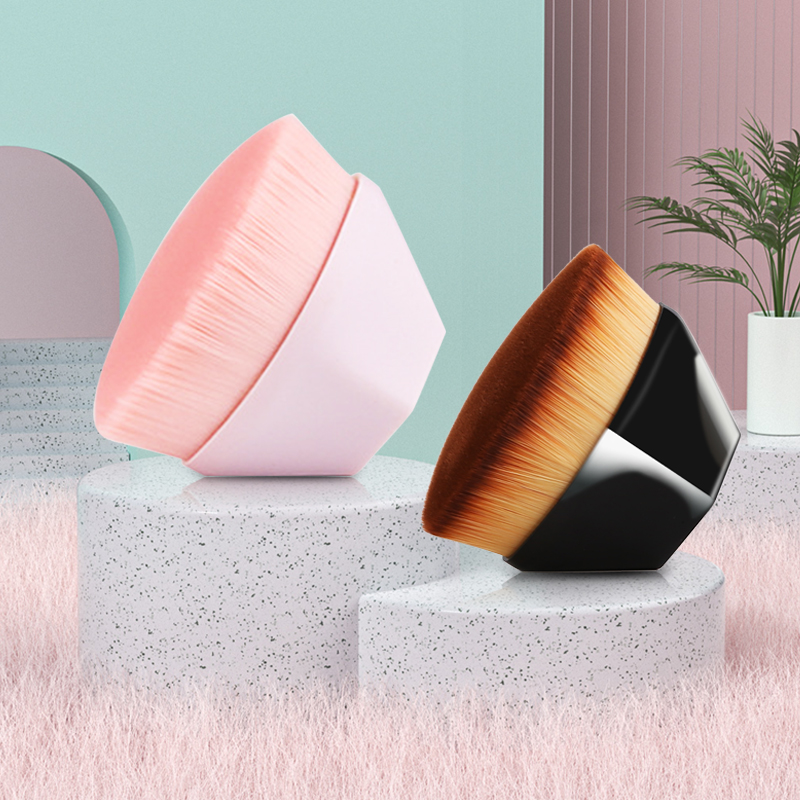
A rounded brush may suggest a different application style from a flat brush. A small brush can support detailed work, while a larger brush can help with broader application.
Bristle arrangement can also change how the brush interacts with makeup.
These elements work together. A brush that looks attractive but feels difficult to control may not create a satisfying experience. On the other hand, a practical design with a thoughtful appearance can appeal to a wider group of users.
This is why modern Makeup Brushes are increasingly connected with product design rather than simple manufacturing.
Manufacturers need to consider how the brush will be held, used, cleaned, stored, and presented to the customer.
The small details can influence whether a user wants to keep using the brush as part of a regular makeup routine.
Bristle material is where a lot of the actual cost and performance difference lives. Natural goat hair remains popular for powder products—it's soft, has natural cuticles that grip loose pigment well, and creates a diffused, seamless finish. Natural squirrel hair, softer and pricier still, shows up in higher-end blending brushes. Synthetic taklon fiber has become the standard for cream, liquid, and gel products because it doesn't absorb product the way natural hair does, making it easier to clean and more hygienic for repeated professional use.
Vegan and cruelty-free positioning has pushed synthetic fiber development hard over the past several years. Modern taklon blends can now mimic the softness of natural hair reasonably well, closing a performance gap that used to be much more obvious—which matters for brands that want to market cruelty-free lines without sacrificing feel.
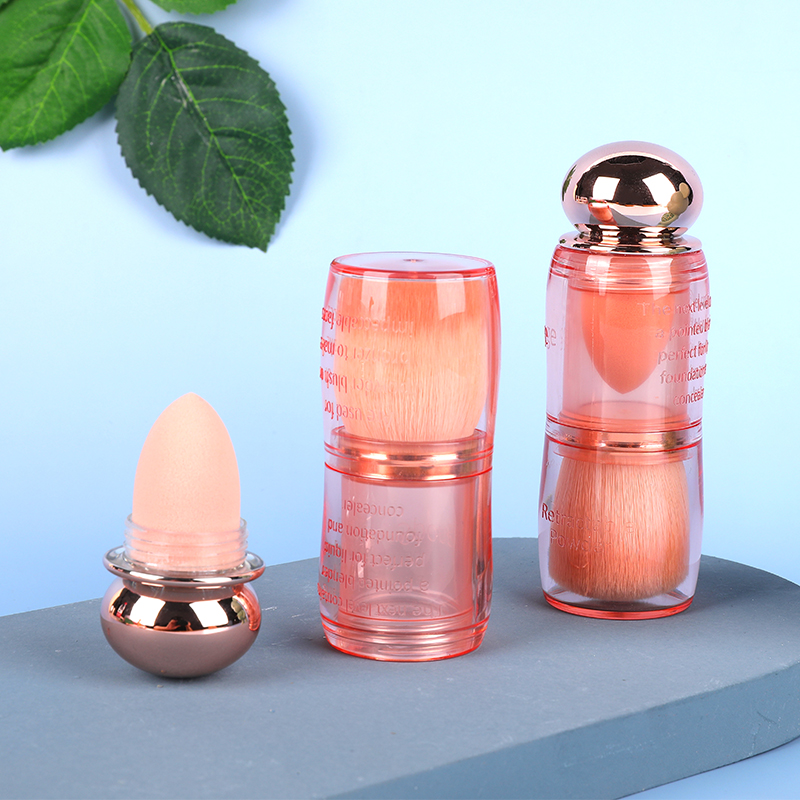
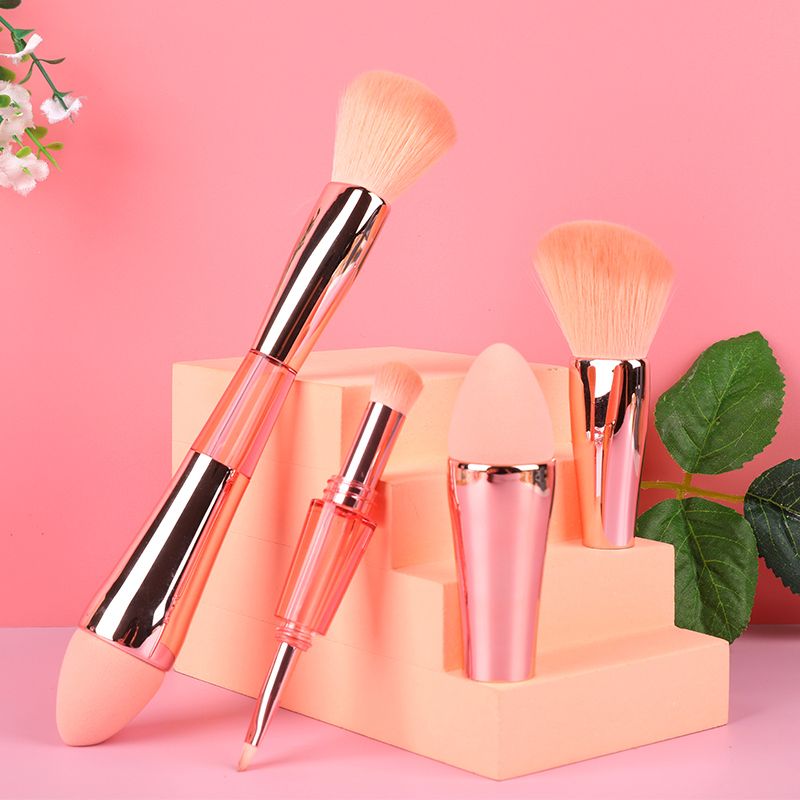
Handle material shapes the visual and tactile identity of a brush line just as much as bristles shape performance. Wood handles read as classic and warm. Aluminum ferrules with acrylic or resin handles read as modern and often support bolder color work—clear resin with embedded glitter, marbled patterns, ombré finishes. Bamboo has gained ground in eco-positioned lines, playing off sustainability messaging that resonates with certain consumer segments.
For a beginner, handle material mostly comes down to whether it feels comfortable and looks appealing on a bathroom counter. For a professional restocking a working kit, ferrule construction—whether it's seamless, how it's crimped onto the handle, whether it shows gaps after repeated water exposure during cleaning—matters considerably more than the color.
This gives Chinese manufacturers a genuinely wide design space to work with. A factory can run a budget-friendly daily-use line built around synthetic bristles and simple wood handles, alongside a premium professional line using higher bristle counts, tighter ferrule tolerances, and materials chosen specifically to survive repeated sanitizing cycles.
Makeup habits are becoming more diverse.
Some people prefer a natural daily look. Others enjoy stronger eye makeup or more creative styles. Some users change their makeup depending on work, social occasions, photography, or personal mood.
This variety creates demand for different brush designs.
A beginner may start with a small group of basic brushes. As their skills develop, they may add more specialized tools.
A professional may already have a large collection and choose brushes according to the specific look being created.
Brushes can respond to this progression by offering products across different levels of use.
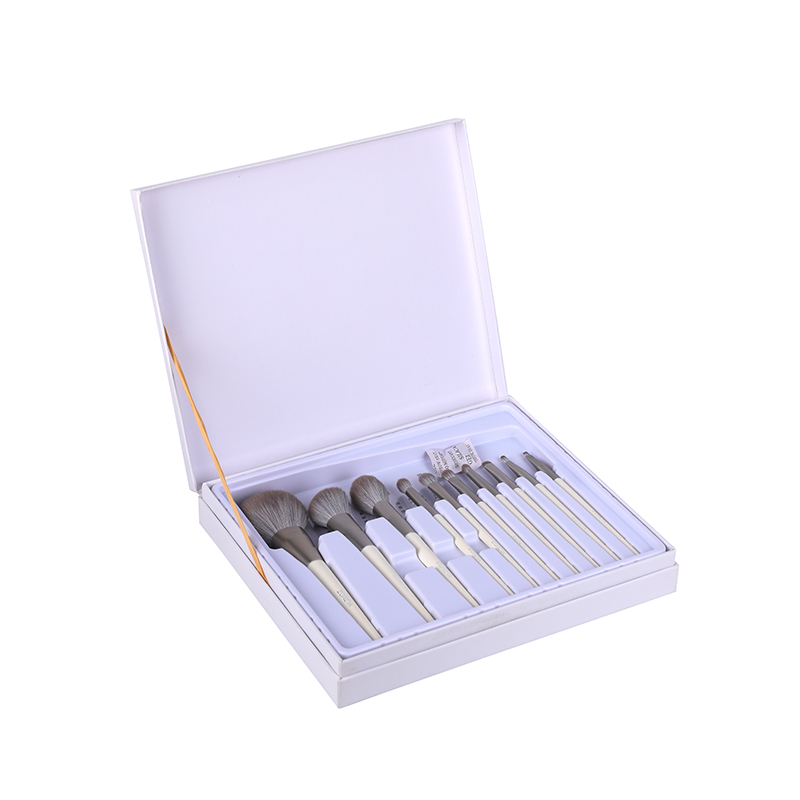
For example, a manufacturer may develop a simple daily set, a broader eye makeup collection, and a more detailed professional range. Each group can have its own purpose without making the products feel unrelated.
This approach also gives consumers room to move between product categories.
A beginner can start with basic tools and later explore more specialized brushes. An experienced user can select individual brushes based on specific techniques.
The product range can therefore grow with the user's makeup habits.
Customization is becoming an interesting part of makeup brush manufacturing.
Different markets may have different preferences. A product designed for one audience may not have the same appeal in another market.
Customization can involve appearance, brush selection, packaging, handle design, or the combination of products in a set.
For beginners, customization may focus on simple collections. A brand can create a set around basic makeup needs rather than offering a large number of unrelated brushes.
For professional users, customization can go in another direction. A makeup artist or beauty business may want a collection built around specific working habits.
This difference allows Makeup Brushes manufacturers to work with various customer requirements.
Customization also creates opportunities for businesses that want their makeup tools to match a particular visual identity.
The brush becomes part of the overall beauty product experience.
That can be especially relevant when companies sell makeup together with tools. A coordinated brush design can help connect the application process with the rest of the product range.
The manufacturer therefore needs to understand the user's habits before deciding how much customization is useful.
This may be one of the more interesting challenges for manufacturers.
Beginners often need clarity. Professionals often need choice.
At first glance, these needs appear to conflict. A beginner may not want a large collection, while a professional may consider a limited collection insufficient.
The solution can be product segmentation.
Instead of trying to make every brush suitable for everyone, manufacturers can create different product groups for different levels of use.
A beginner collection can focus on common makeup tasks. A professional collection can include more specialized tools. A versatile collection can sit between the two.
This approach allows manufacturers to address different users without forcing one product to meet every requirement.
It also gives consumers a clearer path.
Someone who is new to makeup can start with a simple set. As their routine changes, they can add individual brushes. A professional can select a broader range according to working needs.
The result is a product ecosystem that follows the user's development.
Beauty routines are becoming more personal.
Consumers are no longer following one fixed approach to makeup. Some prefer quick routines before work. Others enjoy spending more time experimenting with color and technique.
This shift affects makeup brush design.
A brush that works for a short daily routine may need to be simple and versatile. A brush designed for creative makeup may need to support more detailed application.
Professionals bring another set of requirements because their work is influenced by clients and makeup styles.
Brushes manufacturers have room to respond to all of these needs through product variety.
The important change is that manufacturers are paying greater attention to how brushes are actually used.
The product begins with the user.
What does the person want to apply? How often will the brush be used? Does the user need one tool for several tasks or separate tools for different applications? Will the brush be part of a personal makeup kit or a professional working collection?
These questions can shape product development.
As beauty routines continue to diversify, the distinction between beginner and professional tools may become less rigid. A beginner can become an enthusiast. An enthusiast can develop professional-level skills. A professional may still prefer simple brushes for everyday makeup.
China Makeup Brushes can serve this changing landscape by combining practical design, varied product choices, customization, and user-focused development.
Share:
Related Products
Don't hesitate to contact when you need us!
For exclusive deals and latest offers, sign up by entering your email address below.
Specialising in the manufacture and sale of mid to high end makeup brushes, mid to high end beauty eggs and air cushion puffs.
Product
CONTACT US
Address: No.127 Wenchuang Road, Pujiang County, Jinhua, Zhejiang, China
Tel: +86-15888923863
Email: jay.zoreyabeauty@gmail.com
Mobile

Mid To High End Makeup Brushes Manufacturer



 English
 中文简体
 Español
 Français
 Português
 日本語