Sep 18, 2026
Makeup application often looks simple from the outside. A small amount of foundation is placed on the skin, blended across the face, and adjusted around areas that need more coverage.
Yet the tool used for blending can change the way the makeup sits.

A brush creates one type of application. Fingers create another. A Cosmetic Blender Sponge offers a different approach by using a soft surface to spread and blend makeup across the skin.
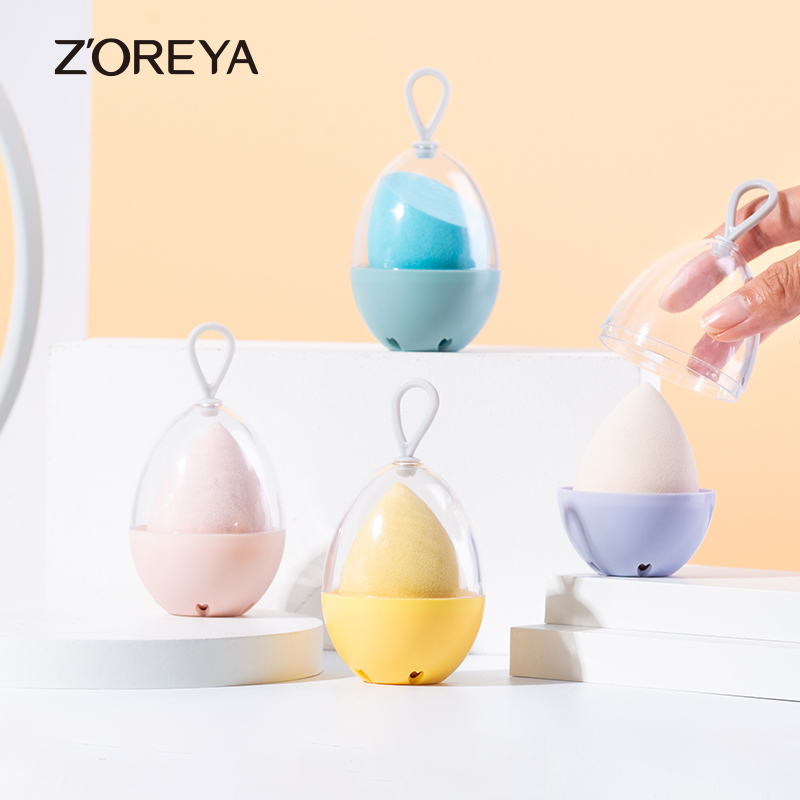
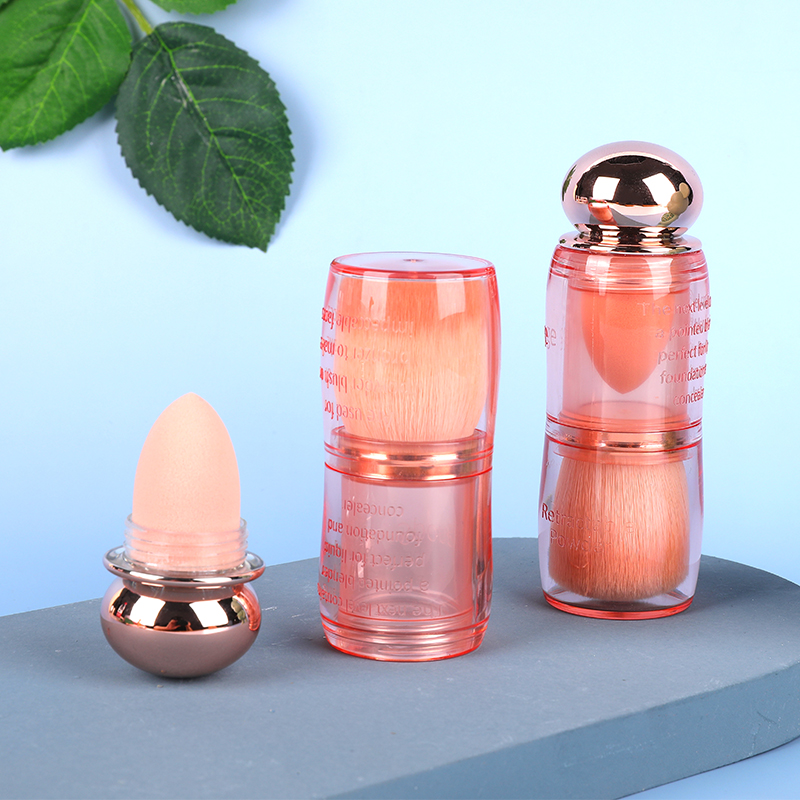
The sponge is small and easy to carry. It can also be shaped for different parts of the face. A wider area can help cover larger sections of skin. A narrow edge can reach around the nose or other smaller areas.
For consumers, this makes the sponge a familiar beauty accessory. For cosmetic manufacturers and suppliers, it is also a product category shaped by material selection, sponge design, surface feel, and user habits.
The growing attention toward makeup tools has made the blender sponge more than a simple accessory. Its design can influence how easily makeup is distributed, how much product is used during application, and how the final layer appears on the skin.
A Cosmetic Blender Sponge exists to spread and blend makeup across the skin — that's the entire job description.
Instead of dragging makeup across the face with bristles, users press, tap, or gently roll the sponge over the skin. Those motions push product outward and even it out.
The sponge isn't doing all the work alone, though. What you end up with depends on the formula itself, skin condition, technique, and how the sponge gets handled in the moment.
Its real contribution is helping build a more even layer than you'd get otherwise.
That shows up most clearly with:
Technique varies a lot from person to person.
Tapping builds up coverage in specific spots. A softer pressing motion spreads product without leaving obvious lines behind. The edge or point of the sponge earns its keep around smaller, trickier areas of the face.
That range of motion is exactly why blender sponges have stuck around as a daily-use tool for so many people.
Shape gives users control; the soft surface lets makeup settle into skin gradually instead of sitting on top of it.
Uneven application is one of the common challenges when using complexion products.
Too much product in one area can make the makeup look heavy. Too little product in another area can make coverage appear inconsistent.
A blender sponge gives users a way to move the product gradually.
Rather than spreading a large amount across the face at once, users can place small amounts of makeup and blend them step by step. The sponge then helps soften the edges between areas.
The result can look more natural because there are fewer visible boundaries between sections of makeup.
The surface of the sponge also matters.
A soft and consistent surface can move across the skin without feeling unnecessarily rough. This allows users to work around curved areas of the face with more control.
The way the sponge is used can be just as important as the sponge itself.
A user who presses gently and builds the makeup gradually may achieve a different result from someone who applies heavy pressure or moves the sponge too quickly.
For this reason, the Cosmetic Blender Sponge should be viewed as part of an application process rather than a standalone solution.
Look at a typical blender sponge and its shape may seem like a simple design choice.
In practice, shape can affect how the tool is used.
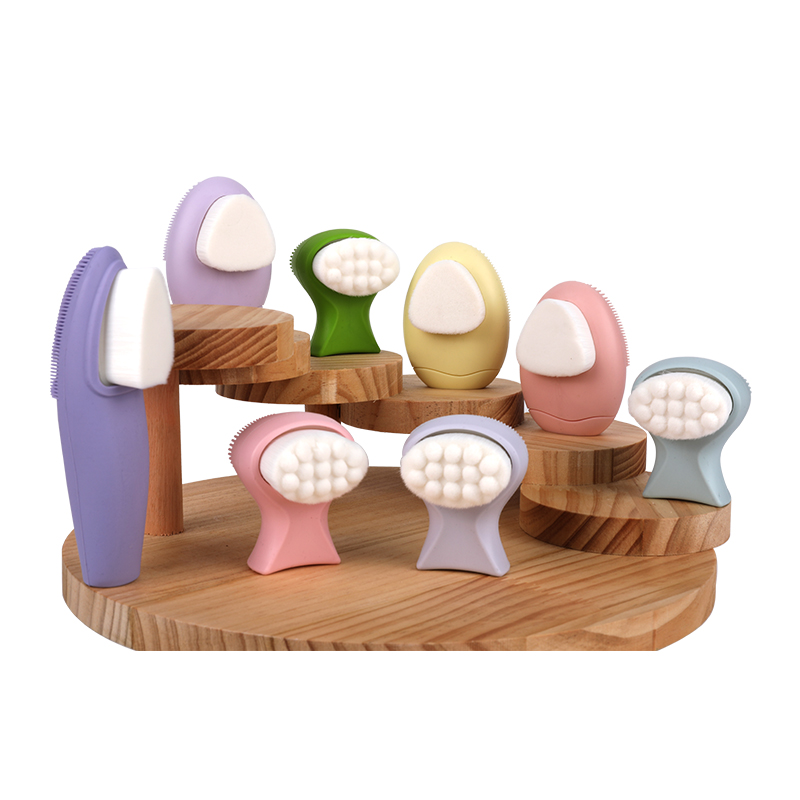
A rounded section can cover larger areas of the face. A pointed section can reach smaller spaces. A flat side can provide another contact surface for blending.
This allows one sponge to support several application movements.
| Sponge Area | Common Application Use |
|---|---|
| Rounded surface | Blending across larger areas |
| Pointed end | Reaching smaller or harder-to-access areas |
| Flat side | Applying or blending over broader sections |
| Narrow edge | Working around facial contours |
Not every Cosmetic Blender Sponge uses the same design. Some are rounded. Others combine flat and curved surfaces. Some focus on a narrow tip, while others use a wider application area.
The right shape depends on how the product is expected to be used.
For manufacturers, shape is therefore connected to both appearance and function. A distinctive form may attract attention on a retail shelf, but the shape also needs to make sense during actual makeup application.
This is why product development often considers the relationship between the sponge's shape and the areas where consumers are likely to use it.
The choice between wet and dry use can change the feel of the application.
When a sponge is used slightly damp, it may feel softer and more flexible against the skin. The surface can also interact differently with liquid or cream makeup.
Some users prefer this approach when they want to work with foundation gradually.
A dry sponge offers a different experience. It can provide a more direct application and may suit users who prefer a denser feel during blending.
Neither approach is suitable for every person or every cosmetic product.
The choice can depend on the makeup formula, the desired finish, personal preference, and the sponge's design.
The important point is that users should follow the care and use instructions provided with the product.
If a sponge is intended for damp use, it should be prepared properly and handled with care. If it is designed for dry application, users can work with it directly according to its intended use.
For cosmetic companies, wet and dry application is therefore an important consideration when developing a blender sponge.
The material needs to remain comfortable during the intended method of use. The surface also needs to interact reasonably with the cosmetic formula.
Material is one of the less visible parts of a blender sponge, but users can notice its effect quickly.
The material influences softness, flexibility, surface feel, and how the sponge responds when pressed against the skin.
A sponge that feels too firm may be uncomfortable for some users. One that is too soft may feel difficult to control. The balance between softness and structure can therefore affect the overall experience.
Material selection also matters because makeup tools come into direct contact with the skin.
Manufacturers need to consider the intended use of the sponge when selecting materials. The material should support the product's shape and handling characteristics while also fitting the requirements of cosmetic application.
Some products are made without natural latex. This has become an important consideration for buyers who specifically look for latex-free makeup tools.
Material information can also influence purchasing decisions.
Consumers may want to know what a sponge is made from, how it should be cleaned, and whether it is intended for repeated use. Clear product information helps users understand what they are buying.
For suppliers and cosmetic brands, material selection is therefore connected to both product design and communication.
Different makeup formulas behave differently on the skin.
Liquid foundation can move easily across a surface. Cream products may require more blending. Concealer is often applied to smaller areas and may need more precise placement.
A Cosmetic Blender Sponge can be used with several of these products, but the application method may change.
For foundation, users can place small amounts on the face and blend outward. The rounded section of the sponge can help cover larger areas.
For concealer, the pointed section may provide more control around the eyes, nose, or other smaller areas.
For cream blush or contour, gentle tapping can help build color without spreading the product too far.
The following approach can help keep the application organized:
This process allows users to control the amount of makeup gradually.
It also shows why the sponge should be considered together with the cosmetic formula. A tool that works comfortably with one type of product may feel different when used with another.
The relationship between product and applicator is becoming an increasingly relevant part of cosmetic product development.
A blender sponge is not the only way to apply makeup.
Makeup brushes remain widely used. Fingers are also convenient for many products. Each method has its own feel and application style.
A brush can provide a sweeping or buffing motion. Fingers offer direct contact and can warm certain cosmetic formulas during application.
A sponge uses a different movement.
Tapping and pressing allow users to build makeup in layers. The rounded surface can also follow facial contours without requiring a long sweeping motion.
| Makeup Tool | Typical Application Style | Common Advantage |
|---|---|---|
| Blender sponge | Tapping, pressing, gentle blending | Flexible application across different facial areas |
| Makeup brush | Sweeping, buffing, controlled strokes | Useful for defined and directional application |
| Fingers | Pressing and spreading | Convenient and easy to control by feel |
This does not mean one tool needs to replace another.
Many makeup users keep several tools available and choose between them depending on the product and desired look.
For cosmetic manufacturers, this creates room for product differentiation. A blender sponge can be developed around a particular shape, surface feel, material choice, or application purpose.
Creating a Cosmetic Blender Sponge involves more than choosing an attractive shape.
The product needs to work as a practical beauty tool.
Manufacturers may need to consider several areas during development:
Shape and material need to work together.
A particular shape may look distinctive, but if it is difficult to hold or awkward to use around the face, the design may not provide a comfortable experience.
Surface texture is another consideration. It should support the intended application method without creating unnecessary drag across the skin.
Cleaning also deserves attention, especially for reusable products. Consumers need clear guidance about how the sponge should be washed, dried, and stored.
Packaging can communicate these details before the product is purchased.
For B2B buyers, customization may also be part of the development process. Different cosmetic businesses may want different shapes, materials, packaging styles, or application concepts.
The development process can therefore involve a series of practical questions:
Who will use the sponge?
Which cosmetic products will it be paired with?
Which facial areas should the shape support?
Will it be used wet, dry, or both?
How should consumers clean and store it?
These questions help connect product design with actual makeup habits.
As cosmetic routines continue to become more varied, the small tools used during application are receiving greater attention. A blender sponge may occupy only a small space in a makeup bag, but its material, shape, surface, and handling can influence the way a cosmetic product is applied from one area of the face to another.
Share:
Related Products
Don't hesitate to contact when you need us!
For exclusive deals and latest offers, sign up by entering your email address below.
Specialising in the manufacture and sale of mid to high end makeup brushes, mid to high end beauty eggs and air cushion puffs.
Product
CONTACT US
Address: No.127 Wenchuang Road, Pujiang County, Jinhua, Zhejiang, China
Tel: +86-15888923863
Email: jay.zoreyabeauty@gmail.com
Mobile

Mid To High End Makeup Brushes Manufacturer



 English
 中文简体
 Español
 Français
 Português
 日本語